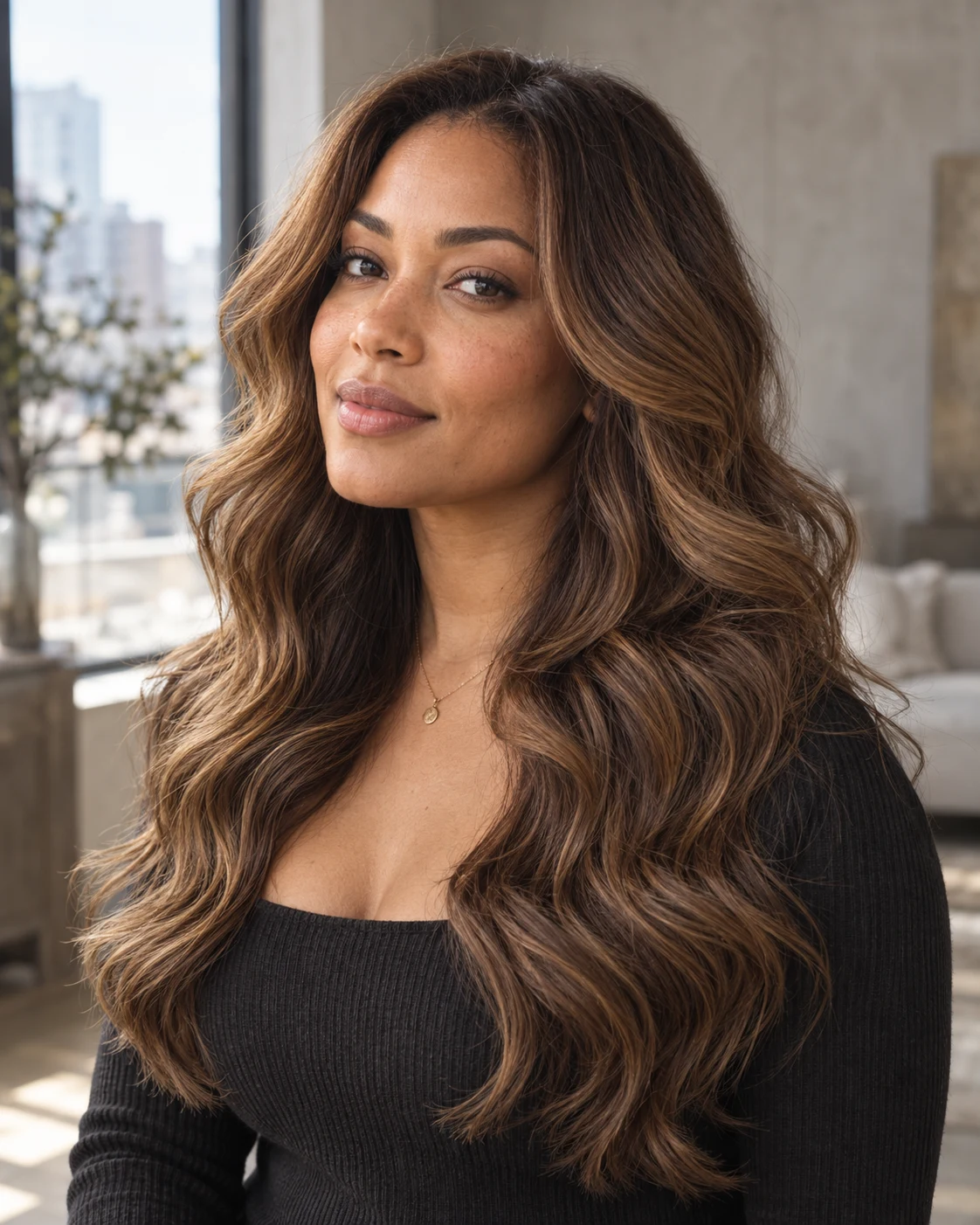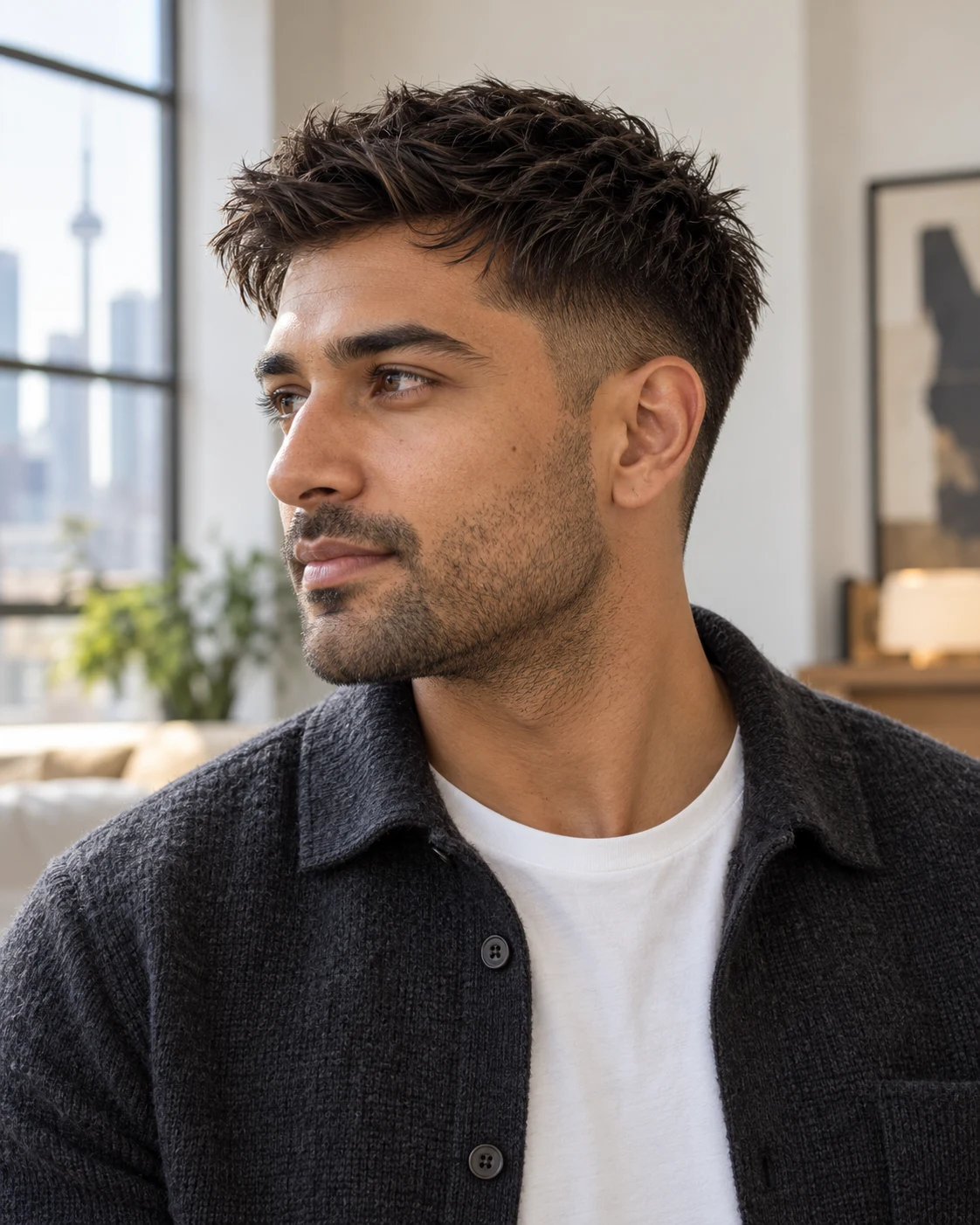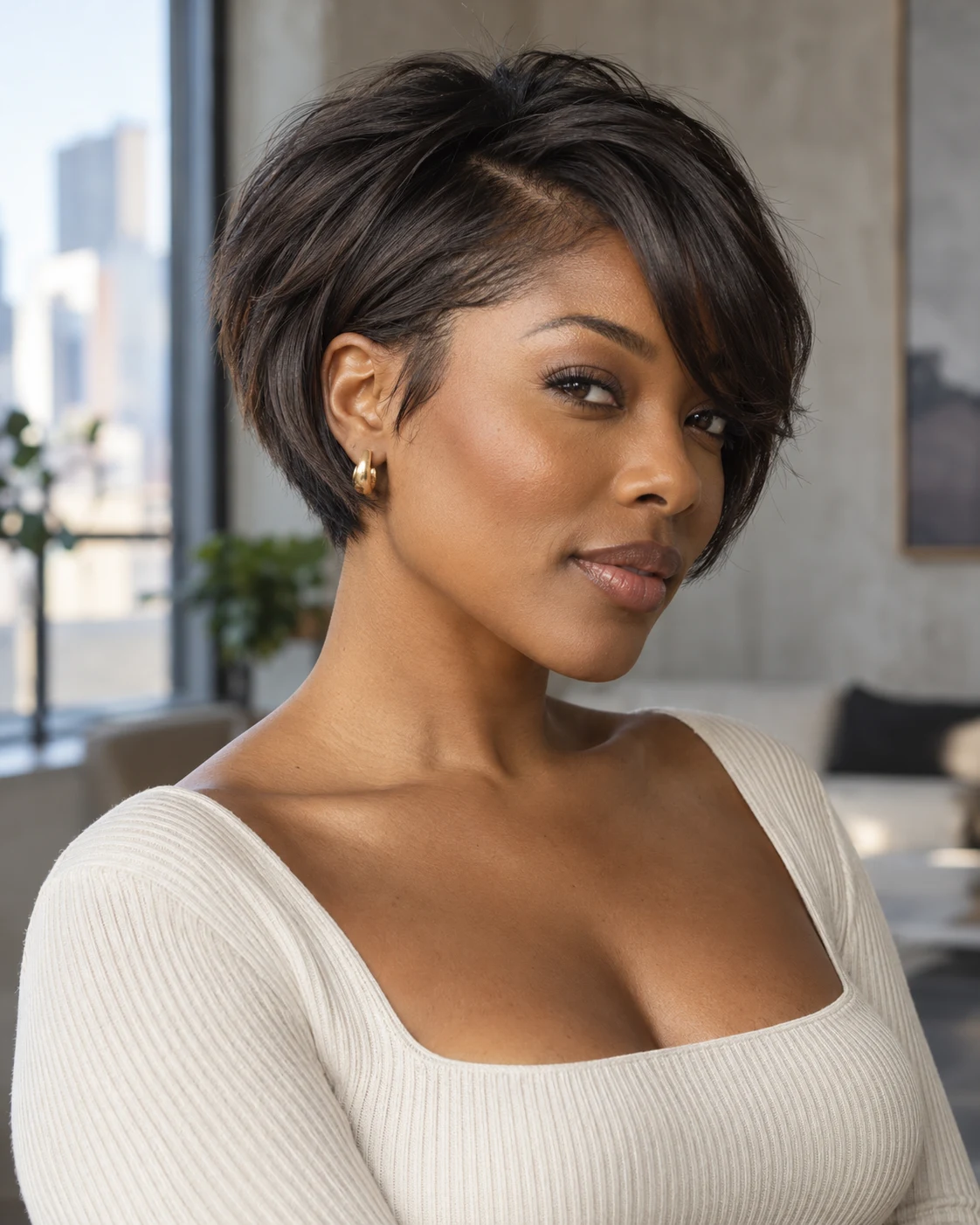
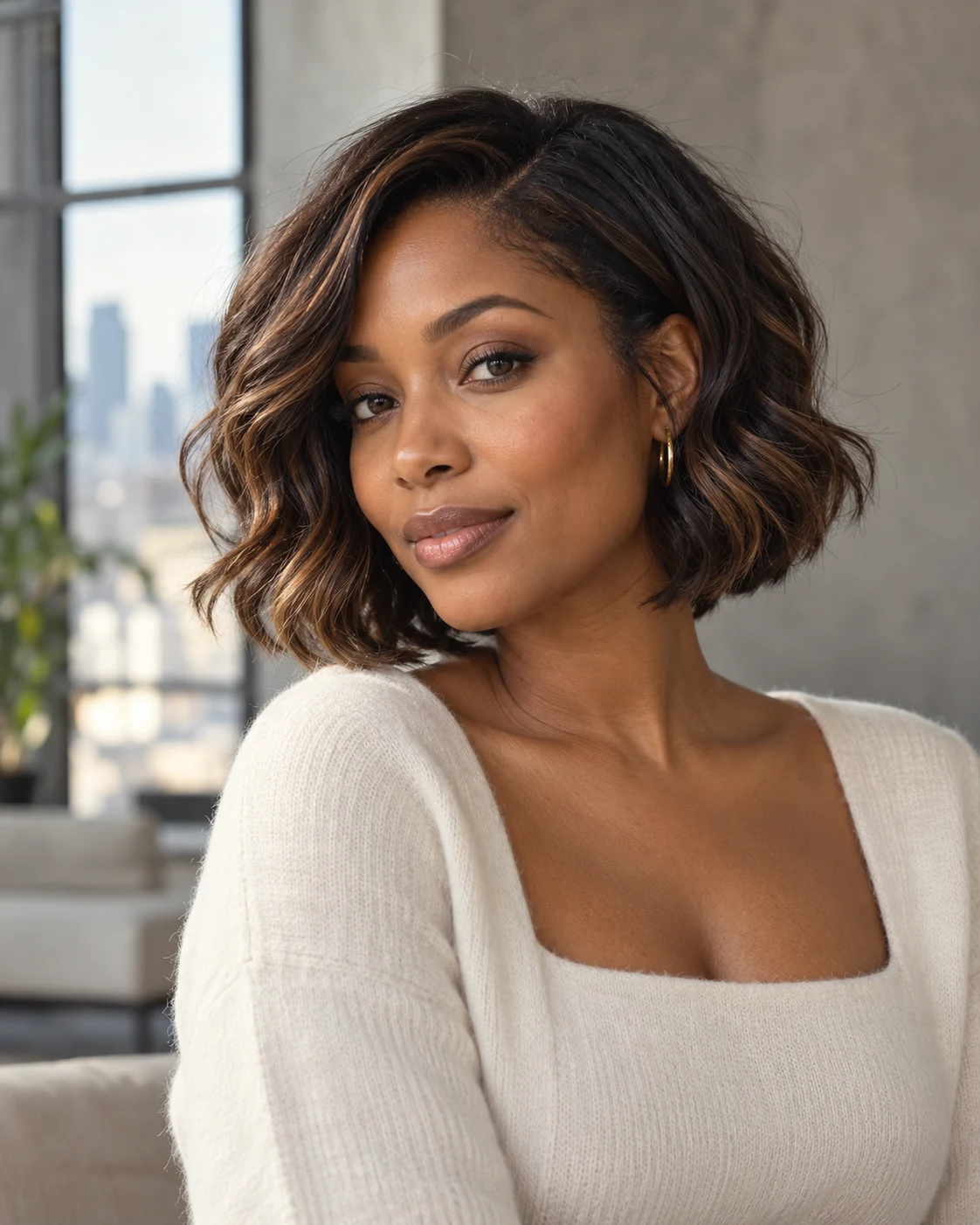
Short hair can carry anything from a slight bend to a full textured curl. Choosing the amount of volume, where the curl begins and how the ends sit is more useful than choosing a style because it is labelled youthful or trendy.
Soft bends and compact outlines
A lightly curled bob keeps the shape clean while turning the ends inward. Ear-tucked volume leaves space around the face, and a loose S-bend creates movement through the sides. Airy, sometimes called jelly-style, waves add a gentle rhythm without a tight ringlet. These references work best when the cut retains enough support at the perimeter.
Regular waves, retro curls and layered movement
Repeated egg-roll or water-wave references create a regular pattern. French-inspired retro curls use a fuller, rounded texture. Smaller wool-like curls make a more expansive silhouette and need careful volume distribution. Layered waves can add shape around the crown and back, while an irregular tousled pattern feels less uniform. A flipped-end S-wave provides a playful outward finish; broader cheek-level S-curves create width around the face.

Fine, dense and naturally curly hair
Fine hair needs enough density left to support the design. Dense hair may need selective internal shaping, but over-thinning can create frizz. Natural curls should first be assessed as a texture worth working with, not automatically straightened before another perm. Previous bleach or chemical straightening can limit what is safe to attempt. Ask to see how the proposed shape would sit when dry.
Choose a method after choosing the goal
Cold, digital and other heat-assisted systems offer different ways to form a curl. A name alone does not establish gentleness, longevity or suitability. Short lengths also leave less room between a heated tool and the scalp. Let the stylist assess the available length and strength, then explain the method and quote. A reference photograph may show iron styling that cannot be reproduced exactly by a permanent service.
Daily care and refreshing
Wash gently, condition according to texture and blot away water. Ask whether your finish suits diffuser drying, guided finger drying or a smoother blow-dry. Use a small amount of curl cream, mousse or another recommended styler rather than layering everything. To refresh a flattened section, lightly dampen and reshape it instead of repeatedly applying high heat. Follow the service's first-wash advice and book trims as the outline grows out.
Frequently asked questions
Continue reading
- Medium-length perms: choosing waves, layers and volume
- Cold perms explained: process, texture and daily styling
- Hair care at home and in the salon: what each step does
Plan your visit
Discuss your hair history, target result and upkeep with your chosen location. See the Spadina menu or North York menu for Canadian prices, and confirm the final plan before treatment.