Good hair care makes detangling, styling and everyday wear easier. A useful routine combines appropriate cleansing and conditioning with less friction and heat; it does not need every product on the shelf.
What conditioning changes
Hair's outer cuticle affects how smoothly strands slide and reflect light, while the cortex contributes much of its strength and shape. Conditioning can reduce friction and improve feel, and some treatments target damage through particular ingredients. The visible hair shaft is not living tissue: a smoother finish does not mean every structural change has been reversed, and split ends are not permanently healed by a mask.
Match the weight to your hair
Fine hair often prefers a lighter product concentrated toward the ends. Coarser, curly or very dry lengths may need richer conditioning and more slip for detangling. Bleached hair may need a tailored strengthening and conditioning plan, but adding protein indiscriminately is not automatically better. Grey hair also varies in texture; choose by how the hair behaves, not by colour or age alone.
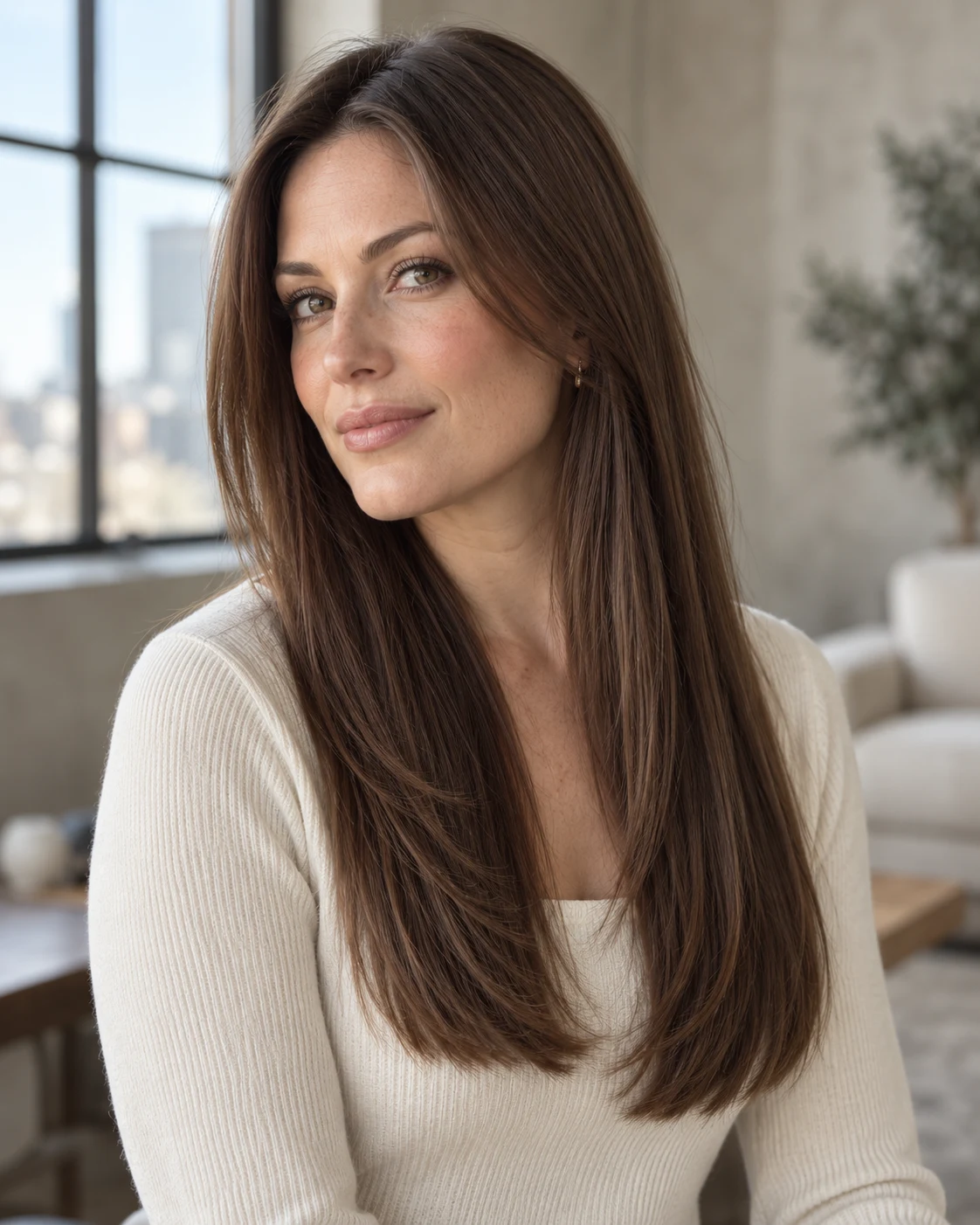
Conditioner, mask, leave-in and oil
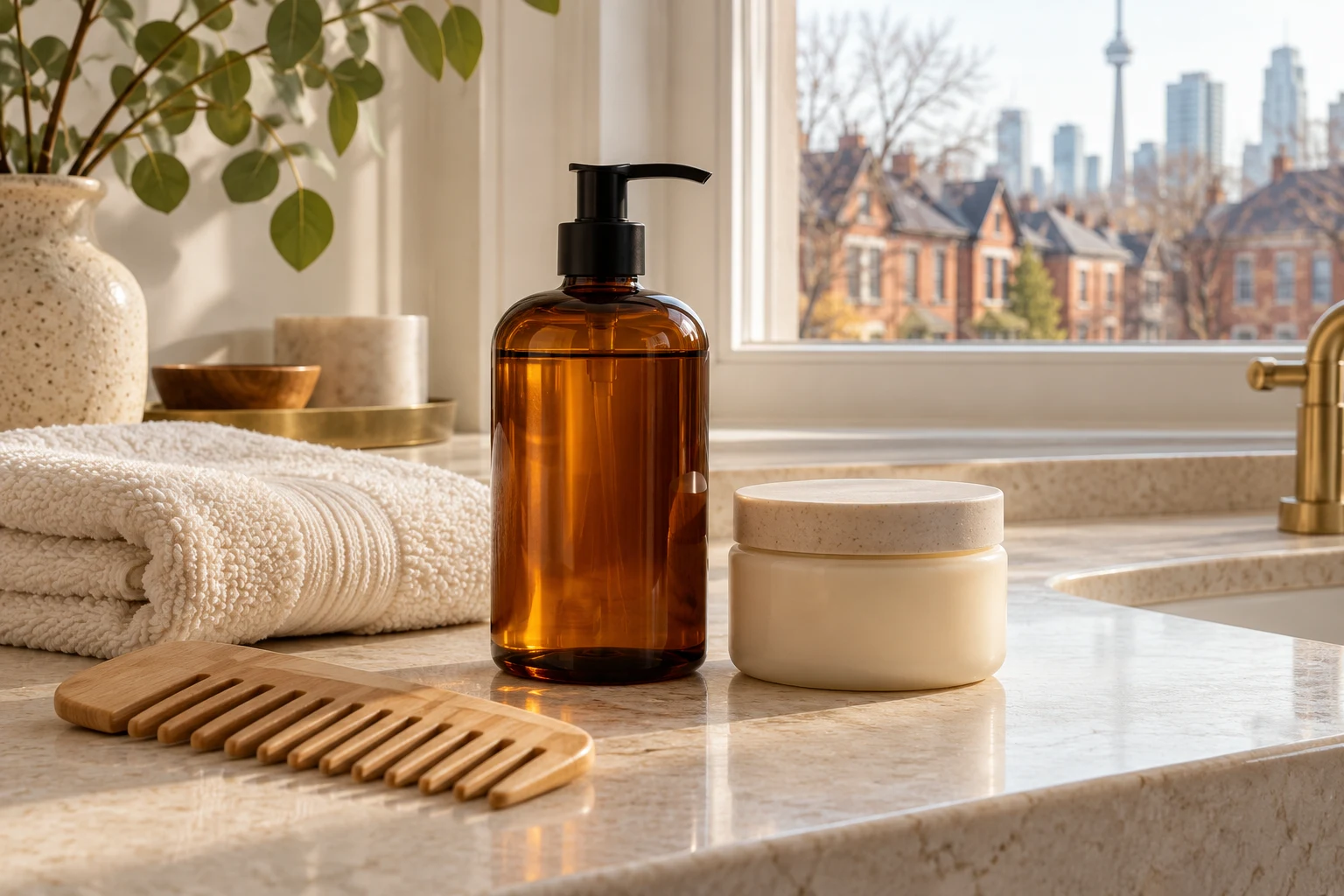
Rinse-out conditioner is a practical washing-day foundation. A mask is an occasional or targeted option according to its directions, not necessarily something to leave overnight. Leave-in sprays or creams can add manageability between washes. A small amount of oil or serum can improve slip and shine at the ends. Only rely on heat protection when the product is actually designed and labelled for that purpose.
Application matters as much as the bottle
Distribute the recommended amount evenly, focusing on the areas that need it. Detangle gently from the ends upward, with suitable slip for your texture. Follow the stated timing and rinse instructions; extra heat or longer exposure is not automatically helpful. Blot with a towel rather than rubbing and keep heat tools at the lowest effective setting.
Where a salon appointment helps
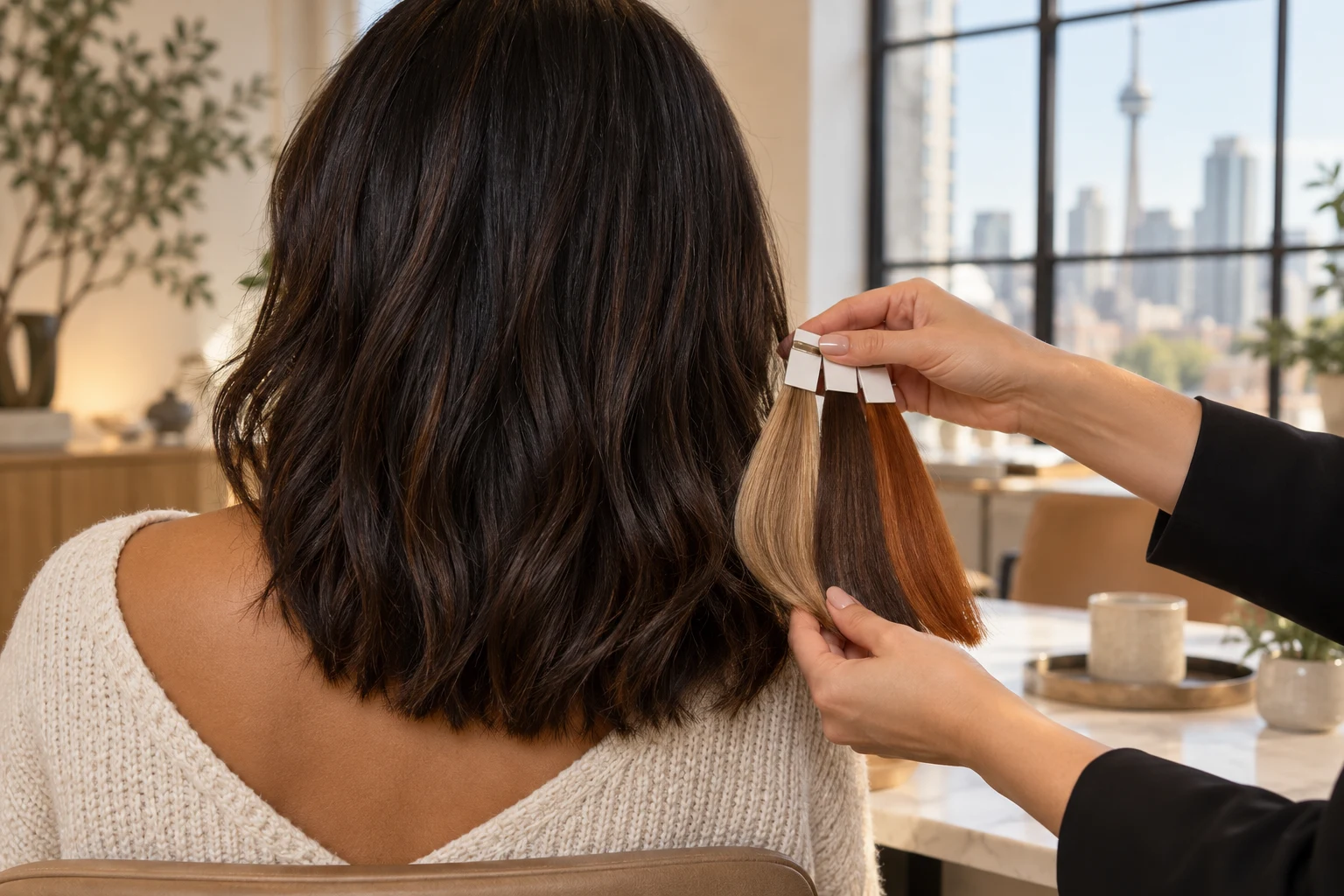
A stylist can assess different zones of damage, review your chemical history and explain whether a conditioning, bond-focused or smoothing service matches the goal. These are different services, with different upkeep. SEEFU Canada's menus list treatment options by location; confirm the chosen product and expected result before booking. A treatment is optional care, not permission to repeatedly bleach or straighten fragile hair.
Keep the routine sustainable
Start with shampoo, conditioner and a styling product you can use consistently. Add a targeted treatment only when there is a clear need, then judge whether detangling and daily feel improve. Limit tight hairstyles and repeated friction. If the concern is persistent scalp pain, shedding or patchy loss rather than dry lengths, seek medical assessment instead of treating it as a cosmetic conditioning problem.
Continue reading
- Conditioning, bond care and keratin: understanding hair treatments
- Before bleaching your hair: colour goals, limits and aftercare
- How to wash your hair: a routine for your scalp and lengths
Plan your visit
Discuss your hair history, target result and upkeep with your chosen location. See the Spadina menu or North York menu for Canadian prices, and confirm the final plan before treatment.